Mosaic Xmas Tree Pillow: Easy Crochet Pattern for Beginners
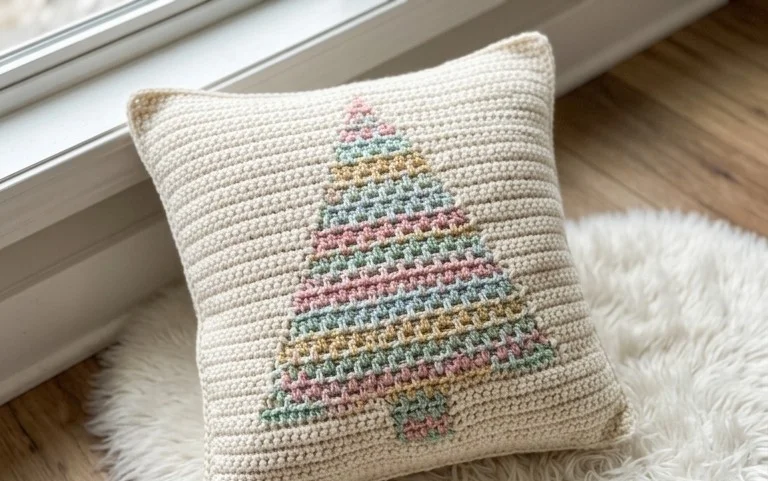
This festive cushion brings a crisp, geometric holiday look to your living room sofa with its sharp tree motifs and soft, squishy texture. Crocheting this piece is a relaxing way to spend your evenings because the pattern relies on simple color changes that create a bold graphic impact without needing complicated math or shaping. Beginners will appreciate how the repeating rows help establish a consistent rhythm while building skills in managing two colors at once. You will learn the logic of reading a chart while producing a functional, cozy home decor item that stands up to daily use throughout the entire winter season.
Why You’ll Love This Pattern
The Classic Crochet Granny Square is the foundation of countless heritage blankets, garments, and home decor items. This project relies on a repetitive, meditative stitch pattern that makes it ideal for practicing tension control without needing to track complex row changes. Because it is worked in the round, you never have to turn your work, which keeps the stitch definition clear and easy to follow. Each square uses only a small amount of yarn, making this an excellent way to organize your scrap bins while creating a uniform building block for larger assemblies.
I finally learned to crochet with this pattern. The instructions are so clear that I finished my first dozen squares in a single weekend without any confusion about where to place my stitches.
— Sarah, beginner crafter
Pattern Overview & Skill Level
- Skill Level: Beginner
- Approximate Time: 30 to 45 minutes per square
- Construction: Worked in joined rounds, starting from a center ring and expanding outward in a square shape
- Finished Dimensions & Sizing: 6 inches by 6 inches when using worsted weight yarn and a 5.0 mm hook
Materials & Supplies Needed
- Yarn: Worsted weight (#4) acrylic or wool blend, approximately 20 yards per square.
- Hook Size: 5.0 mm (H-8) crochet hook.
- Notions: Tapestry needle for weaving in ends, sharp scissors.
- Safe yarn substitutions: You can use DK weight yarn for a smaller, tighter square, or bulky weight yarn for a larger, quicker square; however, changing yarn weight will alter your final dimensions and require more or less yardage respectively.
Stitch Guide & Abbreviations (US Terms)
- ch = chain
- dc = double crochet
- sl st = slip stitch
- sp = space
- st = stitch
- Cluster = A group of 3 dc stitches worked into the same space.
Step-by-Step Pattern Instructions
Granny Square Body
- Rnd 1: Ch 4, join with sl st to form a ring. Ch 3 (counts as dc), work 2 dc into the ring, ch 2. *Work 3 dc into the ring, ch 2; repeat from * two more times. Join with sl st to the top of the beginning ch-3. (12 dc, 4 ch-2 spaces)
- Rnd 2: Sl st into the next dc and into the corner ch-2 sp. Ch 3, 2 dc, ch 2, 3 dc in the same corner sp. *Ch 1, (3 dc, ch 2, 3 dc) in the next corner sp; repeat from * two more times. Ch 1, join with sl st to the top of the beginning ch-3. (24 dc, 4 ch-2 spaces, 4 ch-1 spaces)
- Rnd 3: Sl st into the next dc and into the corner ch-2 sp. Ch 3, 2 dc, ch 2, 3 dc in the same corner sp. *Ch 1, 3 dc in the next ch-1 sp, ch 1, (3 dc, ch 2, 3 dc) in the next corner sp; repeat from * two more times. Ch 1, 3 dc in the last ch-1 sp, ch 1, join with sl st to the top of the beginning ch-3. (36 dc, 4 ch-2 spaces, 8 ch-1 spaces)
- Rnd 4: Continue in established pattern, working 3 dc in each side space and (3 dc, ch 2, 3 dc) in each corner, separated by ch-1. Repeat until desired size is reached.
Finishing
After reaching your desired size, fasten off by cutting the yarn, leaving a 6-inch tail. Pull the tail through the final loop and tighten. Use a tapestry needle to weave the tail back and forth through the back of the stitches to secure it. Trim any excess yarn flush with the fabric.
Care & Washing Instructions
- Hand wash in cool water using a mild detergent to preserve the fibers.
- Lay the square flat on a clean towel and reshape it to ensure the corners remain 90-degree angles while drying.
- Avoid using a tumble dryer, as high heat can shrink acrylic or felt wool yarns and distort the square shape.
Pro Tips & Common Mistakes to Avoid
Maintain consistent tension by ensuring your yarn flow is smooth and not pulling tightly against the hook. Use a stitch marker in the top of your beginning ch-3 to help you easily locate the joining point at the end of each round. Weave in your ends diagonally across the back of the stitches rather than straight down to ensure they do not pull loose over time. If you choose to increase the size of the square beyond six rounds, note that your yarn consumption will grow exponentially, so ensure you have enough yardage from the same dye lot to avoid color mismatches.
Frequently Asked Questions
Can I use cotton yarn for this project instead of acrylic?
Yes, cotton yarn works beautifully for granny squares. Note that cotton has less stretch than acrylic, so your square may feel firmer and show more crisp stitch definition.
How do I join multiple squares together?
You can join squares using a slip stitch seam through the back loops only or by using a mattress stitch with a tapestry needle for a flatter, more seamless finish.
Is this pattern suitable for making a full-sized blanket?
This pattern is perfect for blankets. By making many squares and joining them together, you can create a piece of any size, from a small baby blanket to a large bed spread.
Am I allowed to sell blankets made from this pattern?
You are welcome to sell finished items made from your own labor. Please refrain from selling the digital pattern itself or using my instructional photography on your sales listings.
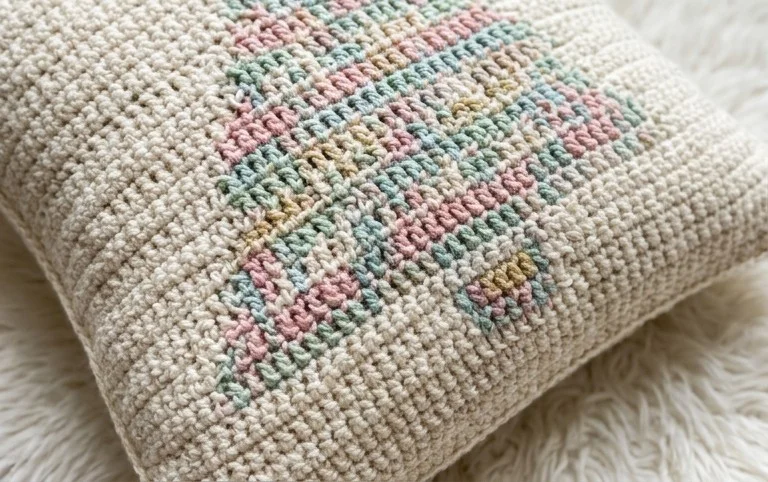
Seeing the geometric trees pop against the background color provides a real sense of accomplishment once you bind off that final stitch. You can swap the traditional green and white for a modern black and cream palette to fit a more minimalist room design. Please share a photo of your finished pillow on social media so others can see how your color choices turned out. Check out the archives on our blog for more seasonal projects that use similar weight yarn and simple construction methods.