Easy Elegant Crochet Scarf Free Pattern for Beginners
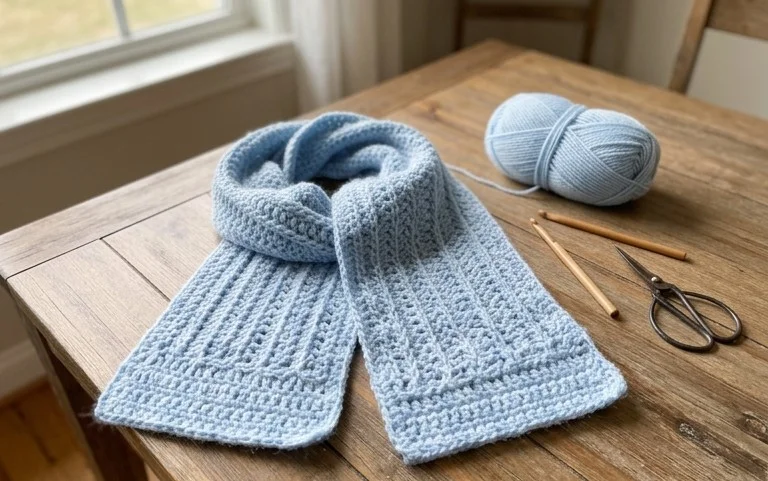
Soft wool against the skin provides a comforting layer during cold morning commutes or quiet evening walks. This accessory hangs with a graceful drape that works well for both casual coats and formal winter wear, making it a reliable staple in your wardrobe. Beginners often enjoy this project because it relies on a consistent sequence that builds rhythm quickly, allowing you to focus on the tension of the yarn rather than complex transitions. You will learn to manage edges for a straight line and maintain uniform sizing throughout the length of the fabric without needing advanced skills.
Why You’ll Love This Pattern
This classic crochet dishcloth works up quickly using the thermal stitch, a dense construction that provides extra durability and scrubbing power. Because it uses a simple foundation chain and a repeating row pattern, you can finish a set in a single afternoon while watching television or listening to an audiobook. The texture is firm enough to handle stuck-on food yet gentle enough for non-stick pans, making it a functional addition to any kitchen. Choosing cotton yarn ensures the cloth is absorbent and machine washable, providing a long-lasting alternative to disposable sponges.
I was surprised by how much thicker this dishcloth is compared to standard single crochet patterns. It grips stubborn grime on my stove top perfectly without needing a plastic scrubber.
— Sarah, home cook
Pattern Overview & Skill Level
- Skill Level: Beginner
- Approximate Time: 45 to 60 minutes per dishcloth
- Construction: Flat row-by-row construction worked back and forth
- Finished Dimensions: 8 inches by 8 inches
Materials & Supplies Needed
- Yarn: Worsted weight #4, 100% cotton yarn, approximately 75 yards per dishcloth.
- Hook Size: 5.0 mm (H-8) crochet hook.
- Notions: Tapestry needle for weaving in ends, scissors, and optional stitch markers to keep track of row edges.
- Safe yarn substitutions: You may use a cotton-linen blend for increased durability, though this may make the stitches slightly stiffer. Avoid acrylic yarns, as they are not absorbent enough for dishcloth use and will melt if exposed to high heat.
Stitch Guide & Abbreviations (US Terms)
- ch: chain
- st(s): stitch(es)
- sc: single crochet
- BLO: back loop only
- Third Loop: the loop located below the front loop on the side of the stitch facing you.
- Thermal Stitch: working into the back loop of the current row and the exposed front loop from two rows below simultaneously.
Step-by-Step Pattern Instructions
Foundation and Setup
- Foundation: Ch 31.
- Row 1: Sc in the 2nd ch from hook and in each ch across. (30 sts)
- Row 2: Ch 1, turn. Sc in each st across. (30 sts)
Main Body
- Row 3: Ch 1, turn. Insert hook into the back loop of the 1st st and the corresponding loop from 2 rows below. Yarn over and pull through both, yarn over and pull through both loops on hook (standard sc made). Repeat in each st across. (30 sts)
- Repeat: Continue repeating Row 3 until the piece measures 8 inches in height.
Finishing
- Final Row: Work one row of standard sc across the top of the piece, inserting the hook under both loops of the stitches from the previous row to secure the edge.
- Fasten Off: Cut the yarn leaving a 6-inch tail. Pull the tail through the final loop and pull tight to knot.
- Weaving Ends: Use a tapestry needle to weave the yarn tail securely into the back of the work to prevent unraveling during washing.
Care & Washing Instructions
- Machine wash in warm water on a gentle cycle to remove oils and kitchen residue.
- Lay the dishcloth flat on a clean towel to air dry, reshaping it with your hands while damp.
- Avoid using fabric softener, as this creates a waxy coating that reduces the natural absorbency of the cotton fibers.
Pro Tips & Common Mistakes to Avoid
Maintain consistent tension throughout the project; if your tension is too loose, the dense structure of the thermal stitch may lose its firm, scrubby quality. Use a stitch marker at the start of each row if you struggle to identify the final stitch, as the thermal stitch can hide the edges of the work. Weave your ends in by threading the needle through at least three different directions within the fabric to ensure the yarn stays locked after repeated washings. If you wish to adjust the size, add or subtract foundation chains in increments of one; note that increasing the width will require more than one skein of standard 2.5-ounce cotton yarn.
Frequently Asked Questions
Can I use a different yarn weight for this dishcloth?
Using a different yarn weight will significantly change the texture and functionality. Bulky yarn will create a very heavy, stiff cloth that may take too long to dry, while fingering weight yarn will result in a cloth that is too thin to provide adequate scrubbing power.
Is this project suitable for a total beginner?
Yes, this is an excellent starter project. While the thermal stitch looks complex, it relies on basic single crochet movements, making it a great way to practice stitch placement and consistent tension.
Why does my cloth feel stiff after washing?
Cotton fibers naturally stiffen when air-dried. You can soften the cloth by rubbing it firmly between your hands or tossing it in the dryer on a low heat setting for five minutes with a wool dryer ball.
May I sell the dishcloths I make from this pattern?
You are welcome to sell finished items made from this pattern in small quantities. Please include a link back to this tutorial if selling online to help other makers find the source instructions.
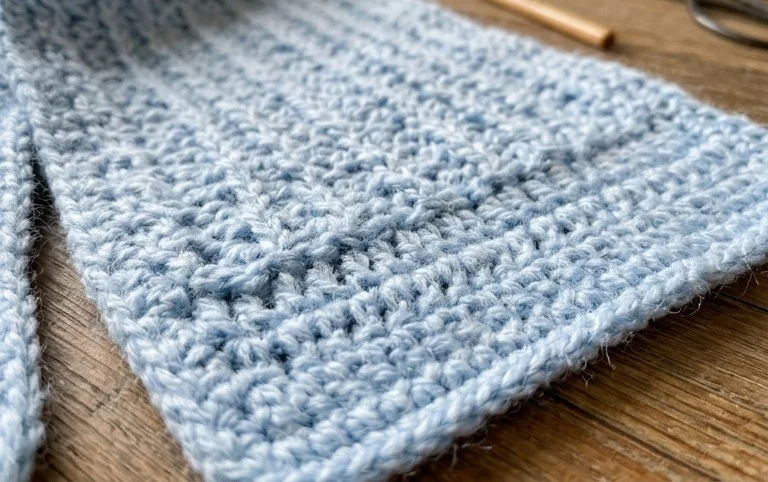
A finished handmade accessory provides a genuine sense of accomplishment that store-bought items simply cannot replicate. You can modify this design by switching to a variegated wool or adding decorative tassels to the corners for a personal touch. Sharing a photo of your finished work helps others visualize their own potential color combinations for the project. Please browse the rest of the site for more free tutorials to continue building your skills, and check back soon for additional seasonal patterns designed for your home and personal collection.