Crochet Basket Weave Blanket: Easy Free Step-by-Step Guide
Dense, squishy squares of cotton are a staple in my kitchen because they handle heavy pots and pans better than thin store-bought towels. This project centers on a classic weaving technique that builds a thick, double-layered fabric which feels substantial in your palms. It suits beginners who want to practice consistent tension while creating something durable for daily use. You will learn to manipulate your hook to create raised ridges that catch soap and debris, resulting in a functional tool for your home. Making these keeps your hands busy during long podcast sessions while stocking your cupboard with useful, handmade essentials.
Why You’ll Love This Pattern
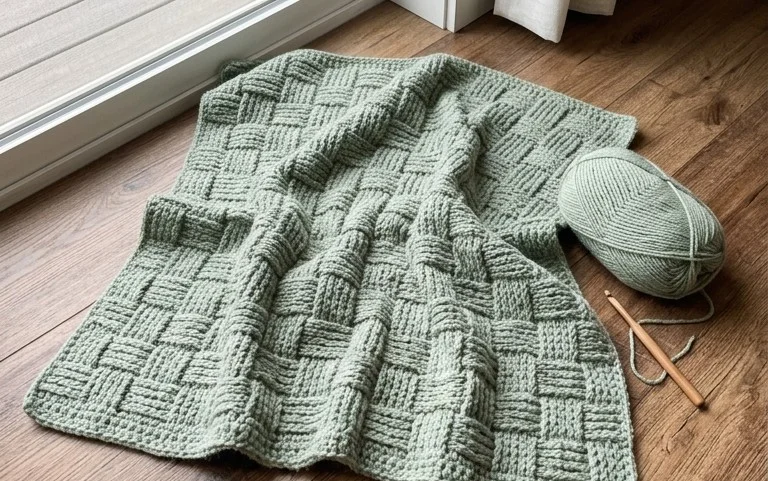
This classic crochet dishcloth works up quickly using simple single crochet stitches, making it a meditative project for any skill level. Because it uses a medium weight cotton yarn, the final fabric is dense enough to scrub surfaces effectively while remaining flexible enough to rinse out easily. You can finish one of these in an evening, which makes them an ideal choice for last-minute gifts or stocking your own kitchen. The stitch pattern holds its shape well even after repeated washing and heavy use in the sink.
I managed to whip up a stack of these for my housewarming gifts in a single weekend. They are exactly the right thickness for daily kitchen tasks.
— Sarah, home cook
Pattern Overview & Skill Level
- Skill Level: Beginner
- Approximate Time: 1 to 2 hours
- Construction: Worked in flat rows starting from a foundation chain
- Finished Dimensions: 8 inches by 8 inches
Materials & Supplies Needed
- Yarn: Worsted weight (#4) 100% cotton yarn, approximately 60 yards per dishcloth.
- Hook Size: 5.0 mm (H-8) crochet hook.
- Notions: Tapestry needle for weaving in ends, scissors.
- Yarn Substitutions: You may use a cotton-linen blend for increased durability, though this may make the fabric slightly stiffer. Avoid acrylic yarns as they do not absorb water well and can melt near high heat.
Stitch Guide & Abbreviations (US Terms)
- ch = chain
- sc = single crochet: Insert hook into stitch, yarn over, pull up a loop, yarn over, pull through both loops on hook.
- st(s) = stitch(es)
- turn = turn your work to begin the next row
Step-by-Step Pattern Instructions
The entire dishcloth is worked in rows of single crochet. Ch 1 at the beginning of each row does not count as a stitch.
- Row 1: Ch 31, sc in 2nd ch from hook and each ch across. (30 sts)
- Row 2-30: Ch 1, turn. Sc in each st across. (30 sts)
Finishing
Once you reach row 30, fasten off the yarn, leaving a six-inch tail. Use your tapestry needle to weave the tail back and forth through the base of the stitches on the back side of the work to secure it. Repeat this process for the starting tail at the foundation chain. Trim any excess yarn close to the fabric.
Care & Washing Instructions
- Machine wash your dishcloths in warm water on a gentle cycle.
- Tumble dry on low heat or lay flat on a towel to air dry completely.
- Reshape the cloth by pulling the corners gently while it is damp if it loses its square form.
Pro Tips & Common Mistakes to Avoid
Consistent tension is vital for a dishcloth, as a loose hand will create large gaps that catch on scrubbing surfaces. If your work looks holey, try dropping down one hook size to 4.5 mm to create a tighter, more functional weave. Always count your stitches at the end of every row; missing the final stitch is the most common reason for a cloth that tapers into a triangle instead of staying a perfect square. If you want a larger cloth, simply add chains to your foundation row in multiples of one and continue working extra rows until the height matches your desired width.
Frequently Asked Questions
Can I use a larger hook for this pattern?
Using a larger hook will result in a looser, more open fabric. While this makes the project work up faster, it reduces the scrubbing power of the cotton fibers. Stick to the 5.0 mm hook for the most durable outcome.
Is this pattern suitable for someone who has never crocheted before?
Yes, this is an ideal starter project. It uses only the single crochet stitch, which is the foundational building block for almost all amigurumi and garment construction. Practicing on a small, simple square helps you master consistent tension before moving to complex projects.
How do I adjust the size of the dishcloth?
To make the cloth larger or smaller, add or subtract chains from your starting foundation. Because this pattern uses a simple row-by-row repeat, there is no complex stitch multiple to worry about. Just ensure you end with the same number of rows as your stitch count to maintain a square shape.
Can I sell the finished items made from this pattern?
You are welcome to sell physical items made from this design. I appreciate credit given to the original pattern source, but you may not redistribute, sell, or claim the written pattern instructions as your own work.
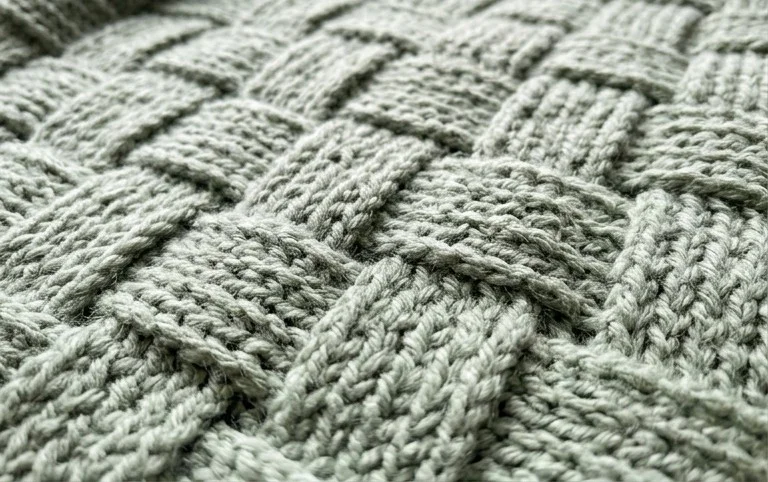
Your finished project provides a thick, reliable layer of protection and utility for your kitchen surfaces that far outlasts disposable alternatives. You can modify this design by holding two strands of thinner yarn together for a bulky version or by swapping in variegated colors to create a modern striped look. Posting a photo of your finished work on social media helps other makers find inspiration for their own yarn stash. Feel free to browse through my archive of other free patterns to find your next afternoon project after you finish these.