12 Easy Crochet Leaf Stitch Patterns for Cozy Blankets
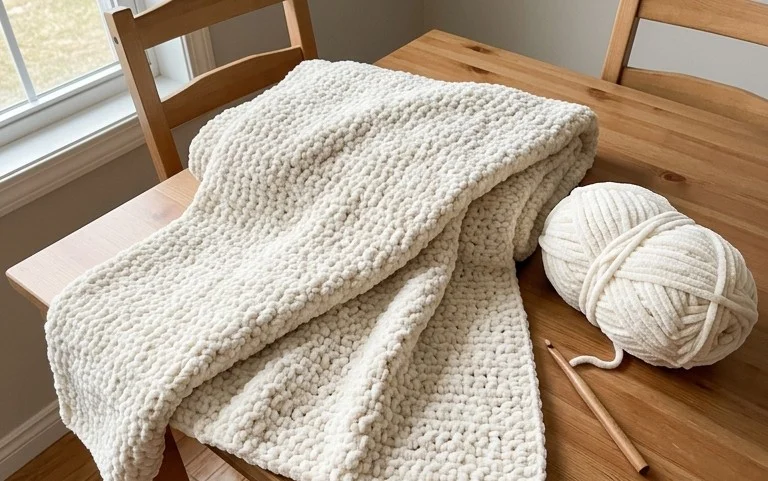
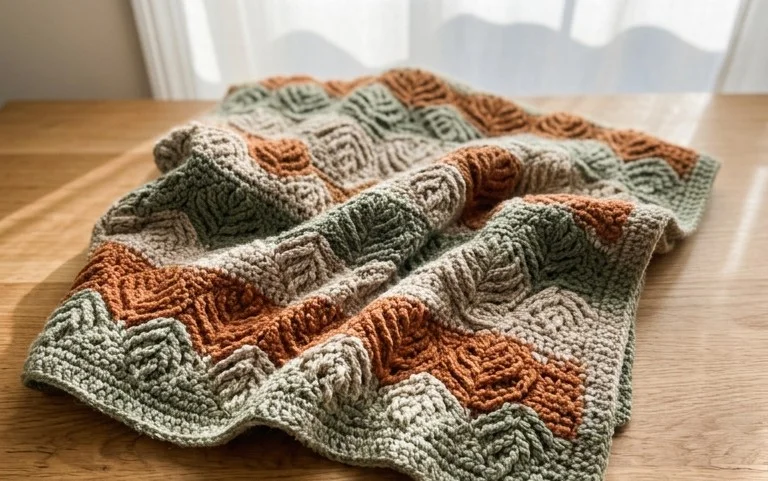
Soft cotton leaves blooming across a textured blanket create a cozy focal point for any sofa or reading nook. These patterns suit beginners seeking a rewarding challenge and home decor enthusiasts who enjoy adding organic shapes to their living spaces. You will find that working with this leaf stitch provides a rhythmic, meditative experience that turns simple yarn into a high-end textured finish. The process involves basic increases and decreases, making it accessible even if you are new to complex motifs. Follow these tutorials to build your own custom greenery project from scratch using basic tools.
Why You Will Love This Pattern
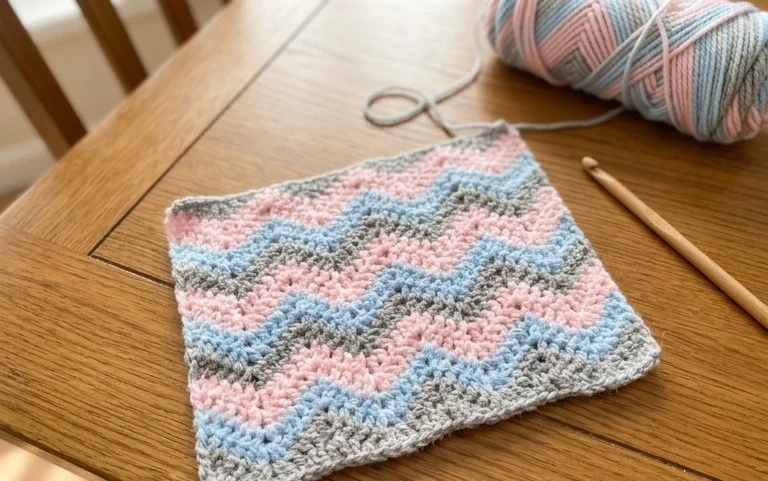
The Classic Crochet Dishcloth provides a satisfying, tactile project that works up quickly using simple, repetitive stitches. Because it relies on basic techniques, you can complete one in a single evening while listening to a podcast or enjoying quiet time. It serves as an excellent way to practice even tension without the pressure of complex shaping or counting intricate repeats. These cloths are durable enough for everyday kitchen use and machine washable, making them a practical addition to your home or a thoughtful, handmade gift for friends and family.
I finally learned how to keep my edges straight thanks to this pattern, and now I have a whole stack of these in my kitchen that actually scrub well.
— Sarah, home crafter
Pattern Overview & Skill Level
- Skill Level: Beginner
- Approximate Time: 1 to 1.5 hours per cloth
- Construction: Worked in flat rows starting with a foundation chain
- Finished Dimensions & Sizing: Approximately 8 inches by 8 inches, though adjustable by adding or subtracting chains and rows
Materials & Supplies Needed
- Yarn: Worsted weight (#4), 100% cotton yarn, approximately 50 yards per cloth. Cotton is essential for its absorbency and heat resistance.
- Hook Size: 5.0 mm (US H-8) crochet hook.
- Notions needed: Tapestry needle for weaving in ends, scissors, and an optional stitch marker for the end of rows to ensure straight edges.
- Safe yarn substitutions: You may use a cotton-acrylic blend for a softer feel, though it will be slightly less absorbent than 100% cotton. Avoid wool or synthetic fibers like acrylic, as they do not absorb water well and may melt if they touch a hot pan.
Stitch Guide & Abbreviations (US Terms)
- ch = chain
- st/sts = stitch/stitches
- sc = single crochet: Insert hook into st, yarn over, pull up a loop, yarn over, pull through both loops on hook.
- dc = double crochet: Yarn over, insert hook into st, yarn over, pull up a loop, yarn over, pull through two loops, yarn over, pull through remaining two loops.
- turn = turn your work to begin the next row.
Step-by-Step Pattern Instructions
Main Body
- Foundation: Ch 30.
- Row 1: Dc in the 4th ch from the hook and in each ch across. Turn. (28 sts)
- Row 2: Ch 3 (counts as first dc), dc in the next st and in each st across. Ensure you work a dc into the top of the turning chain from the previous row. Turn. (28 sts)
- Rows 3-20: Repeat Row 2 until the piece forms a square.
- Finishing: Fasten off, leaving a 6-inch tail. Weave the tail through the stitches using your tapestry needle to secure the edge.
Care & Washing Instructions
- Machine wash your cotton dishcloths in warm water on a gentle cycle to remove oils and food residue.
- Lay the cloths flat on a clean towel to air dry, which helps them maintain their square shape.
- If the cloth looks slightly misshapen after drying, dampen it lightly with water and pull the corners gently to block it back into a perfect square.
Pro Tips & Common Mistakes to Avoid
Maintaining consistent tension is the most important factor in making a flat dishcloth. If your stitches are too tight, the cloth will feel stiff and lose its ability to scrub effectively, while loose stitches may leave gaps that shorten the life of the item. To keep your edges straight, always count your stitches at the end of every row, especially making sure you work into the turning chain of the row below. Weaving in your ends over a distance of at least two inches will prevent them from fraying or coming undone after repeated cycles in the washing machine. If you want to make a larger dishcloth, simply add more stitches to your foundation chain in multiples of two, keeping in mind that you will need extra yardage to account for the increased surface area.
Frequently Asked Questions
Can I use a different weight of yarn for this pattern?
You can use DK or bulky weight yarn, but you will need to adjust your starting chain and hook size accordingly. Using a different weight will change the final dimensions, so adjust the number of rows to reach your desired square size.
How do I know if I am counting my stitches correctly?
The best way to track your work is to place a stitch marker in the first and last stitch of every row. This ensures you do not accidentally skip the final stitch, which is a common cause for triangular-shaped edges instead of straight ones.
Is this pattern suitable for someone who has never held a crochet hook?
This pattern is ideal for beginners because it uses only the double crochet stitch. If you are brand new, practice your foundation chain and double crochet on a scrap piece of yarn first until you feel comfortable with your hand positioning.
May I sell the dishcloths I make from this pattern?
You are welcome to sell the finished items you create using this design. Please credit the original pattern design when selling or sharing your work online to support the designer’s efforts.
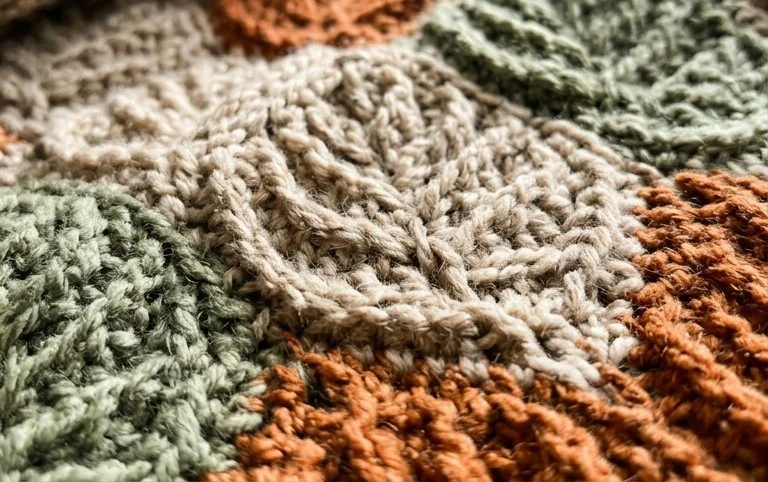
A finished leafy blanket brings warmth and a touch of nature into your bedroom or living area. Try working your next leaf project in an earthy sage green wool for a rustic look or a bright cream cotton for a modern aesthetic that highlights the stitch definition. Posting your progress or a finished photo helps others find inspiration for their own yarn stash projects. Browse our archives for more free stitch guides and inspiration for your next afternoon hobby session with a hook and yarn.