35 Free Crochet Ear Warmer Patterns: Easy Beginner Guides
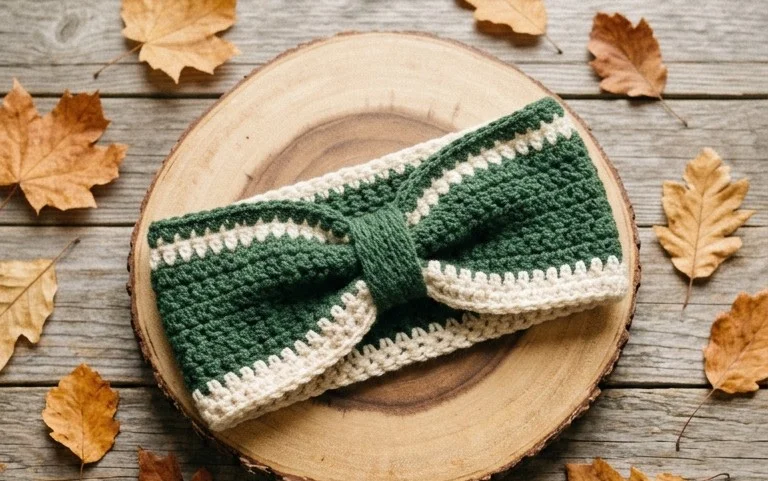
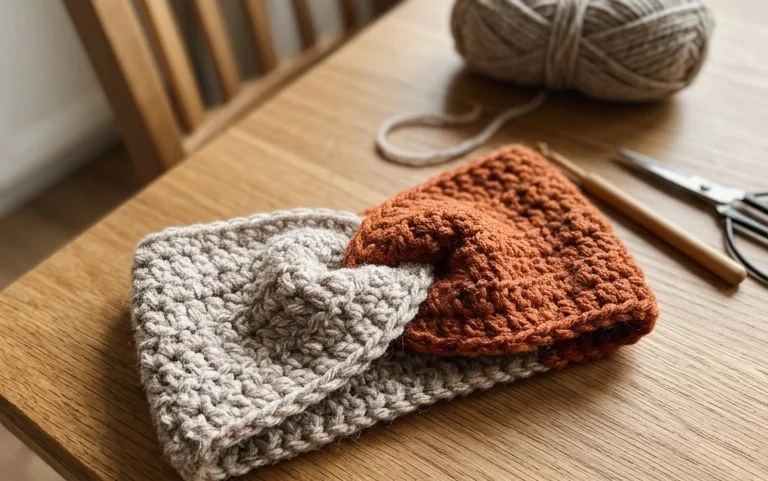
These headbands provide a snug layer of warmth during brisk morning walks or outdoor chores when the wind starts to bite. Every piece in this collection features thick, squishy stitches that protect your ears without ruining your hair. Working on these accessories requires only basic knowledge of chains and double crochets, making them approachable for anyone who recently picked up a hook. You will find that these patterns use very little yarn, allowing you to finish an entire project while sitting on your sofa for an evening. Each design brings a unique texture to your winter wardrobe, offering both style and function.
Why This Project Is Worth Making
This classic crochet dishcloth is designed using a textured moss stitch pattern, which creates a durable fabric that scrubs effectively while remaining gentle on non-stick surfaces. It is a quick project that works up in less than an hour, making it an excellent way to practice even tension. Because it uses simple, repeating stitches, you can easily complete it while watching television or listening to an audiobook. The pattern is also highly efficient, using less than one standard skein of cotton yarn, which helps you clear out your scrap bin.
I finished this dishcloth in a single evening. The texture is much thicker than the store-bought versions I used to buy, and it holds up perfectly in the washing machine.
— Sarah, home crafter
Pattern Overview & Skill Level
- Skill Level: Beginner
- Approximate Time: 45–60 minutes
- Construction: Worked in flat rows back and forth with a decorative border
- Finished Dimensions: 8 inches by 8 inches
Materials & Supplies Needed
- Yarn: Worsted weight (#4), 100% cotton yarn, approximately 60 yards. Cotton is preferred because of its absorbency and heat resistance.
- Hook Size: 5.0 mm (US H-8).
- Notions: Tapestry needle for weaving in ends, scissors, and a measuring tape.
- Yarn Substitutions: You may use a cotton-acrylic blend, but note that this will slightly reduce the absorbency of the finished cloth compared to pure cotton. Avoid wool, as it is not suitable for dishwashing purposes.
Stitch Guide & Abbreviations (US Terms)
- ch: Chain stitch.
- sc: Single crochet. Insert hook into stitch, yarn over, pull up a loop, yarn over, pull through both loops on hook.
- st(s): Stitch(es).
- sk: Skip.
- Moss Stitch: A pattern created by alternating single crochet stitches and chain spaces, working the next row’s single crochet into the previous row’s chain space.
Step-by-Step Pattern Instructions
Main Body
- Foundation: Ch 32.
- Row 1: Sc in the 4th ch from the hook, *ch 1, sk 1 ch, sc in the next ch. Repeat from * across. Turn. (15 sc, 14 ch-spaces).
- Row 2: Ch 2, sc in the first ch-1 space, *ch 1, sk next sc, sc in next ch-1 space. Repeat from * across, ending with a sc in the turning ch-space. Turn. (15 sc, 14 ch-spaces).
- Rows 3–28: Repeat Row 2 until the piece forms a square.
Border & Finishing
- Border: After completing the final row, ch 1 and rotate the work to crochet down the side. Place 2 sc in each row end along the side, 3 sc in the corner, and 1 sc in each st along the bottom and top edges to create a clean finish.
- Closing: Join with a sl st to the first sc of the border. Fasten off, leaving a 6-inch tail.
- Weaving Ends: Use a tapestry needle to weave the yarn tails securely into the back of the work, moving the needle in a zig-zag pattern through the stitches to ensure the ends do not unravel during washing.
Care & Washing Instructions
- Machine wash in warm water on a gentle cycle with like colors.
- Tumble dry on low heat or lay flat on a towel to air dry to prevent shrinkage.
- Reshape the cloth while damp if it loses its square form during the drying process.
Pro Tips & Common Mistakes to Avoid
- Maintain consistent tension throughout the project; if your chains are too tight, the fabric will pull inward and lose its square shape.
- Use a stitch marker at the start of each row to help you track your turns, especially if you are new to the moss stitch.
- Weave in your yarn tails in at least three different directions to ensure they remain secure even after repeated use and heavy scrubbing.
- To adjust the size, simply start with an even number of chains for your foundation; each additional two stitches will increase the width by approximately half an inch.
Frequently Asked Questions
Can I use a larger hook size?
Yes, using a larger hook will result in a drapier, looser fabric. However, keep in mind that a tighter stitch is generally better for a dishcloth as it creates a more effective scrubbing texture.
Is this pattern suitable for beginners?
Yes, this project is ideal for beginners because it only requires the single crochet stitch and chain stitch. The moss stitch is a fundamental technique that forms the basis for many more complex crochet patterns.
How do I prevent the edges from curling?
Adding the sc border around the perimeter of the dishcloth is the best way to stabilize the edges and provide a clean, professional finish that prevents curling.
Can I sell the dishcloths I make from this pattern?
You are welcome to sell finished items made from this pattern in small quantities. Please provide credit to the designer by linking back to this tutorial.
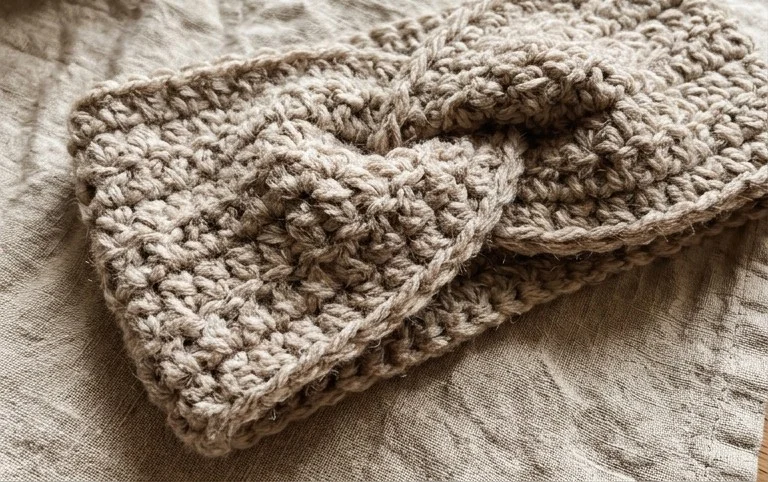
Finishing a handmade accessory provides a quiet sense of satisfaction as the cold weather sets in. You might consider holding two strands of yarn together for a chunkier look or adding a decorative wooden button to the side for extra character. If you feel proud of your finished work, please share a photo on your favorite social media platform so others can see your color choices. You can find more free patterns and seasonal ideas by browsing the archives on our blog whenever you need another quick afternoon project.